Whoa!
I spent a week intentionally breaking my own workflow to see which extension wallets survived the test. My instinct said there would be only cosmetic differences between them, but that turned out to be wrong. Initially I thought the usual suspects had it all figured out, and then I watched a tiny permission prompt turn into a near-disaster on a mainnet swap. I’m biased, but that moment made me re-evaluate how I choose a browser wallet.
Seriously?
Okay, so check this out—most wallet extensions get praised for convenience while quietly making risky defaults. On one hand they give quick access to tokens, though actually the underlying permission model and the way approvals are presented change everything. Here’s what bugs me about that: a pretty UI can lull you into accidental approvals. Something felt off when approvals didn’t clearly show which token balance or allowance would change.
Hmm…
I installed a handful of extensions and used burner accounts to experiment with swaps, approvals, and walletconnect sessions. I pressed every visible button, and a few hidden ones, too—just to feel the edges. The thing that separated the decent from the not-so-decent was not speed or polish. It was clarity. The wallets that showed exactly what a transaction would do, including the net token deltas and fee breakdowns, felt safer.
Whoa!
Rabby stuck out early in those tests. The transaction preview is clear and actionable, and it surfaces token changes up front instead of burying them. My first impression was practical: I could audit an approval in seconds without context-switching to a block explorer. On one hand the extension stays light for new users, though actually it exposes advanced settings for power users when you need them.
Seriously?
I don’t love every design choice—no product is perfect—but Rabby balances defaults and power in a way that reduces accidental risk. It simulates the transaction result on-chain-like so you see the net outcome, which matters when chains and token decimals behave oddly. That feature alone stopped me from confirming one sketchy approval that had mismatched token outputs.
Whoa!
The wallet also supports isolated profiles and session separation which I found unexpectedly useful. That lets me keep trading accounts apart from long-term holding wallets without reinstalling or using separate browsers. I tried multiple session profiles for a weekend and it saved me from a messy, very very avoidable approval crossover. I’m not 100% sure everyone needs it, but for active traders it’s a clear UX win.
Okay, so check this out—
Rabby’s contract approval UI forces a clear decision: set a precise allowance or use a one-time approval. It highlights which contracts ask for unlimited allowances and why that might be risky. Initially I thought that level of granularity would overwhelm new users, but in practice the explanations are succinct and actionable. Actually, wait—let me rephrase that: the explanations are short enough that most folks can make safer choices without a PhD in crypto.
Here’s the thing.
Security is as much about defaults as it is about features. Rabby errs on the side of conservative defaults while keeping advanced toggles for those who want them. On a technical level it supports multiple chains and shows fee breakdowns per chain, which helps when you jump between EVMs and rollups. That detail saved me a few cents and a lot of confusion when gas estimation diverged across layer-2s.
Whoa!
There are tradeoffs. The extra prompts and confirmations add friction for the very casual user who wants one-click swaps. Some folks will find the extra layer annoying, and I get that. I’m not here to tell everyone to be hyper-paranoid about every interaction. But if you move real value, a little friction is a tiny price compared to a revoked allowance or a malicious router swap.
Something felt off at first about the extension model—
the browser context is inherently risky because malicious sites can attempt to trick you into approvals or chain switches. Rabby mitigates this by making the origin and the specific allowance action explicit. That transparency aligns with better mental models for users, because you can now see “who” is asking and “what” exactly will change. My instinct said this would be only marginally helpful, and then it prevented a mistake on my test account, so my instinct was humbled a bit.
Whoa!
The UI language matters too—simple copy that says “one-time” or “limit to X tokens” beats technical jargon. Rabby uses plain language in critical spots where a misunderstood word could cost you money. That design choice feels low-level but is high impact in practice. Oh, and by the way, small cues like token icons next to amounts make confirmations faster to scan which is a nice human touch.
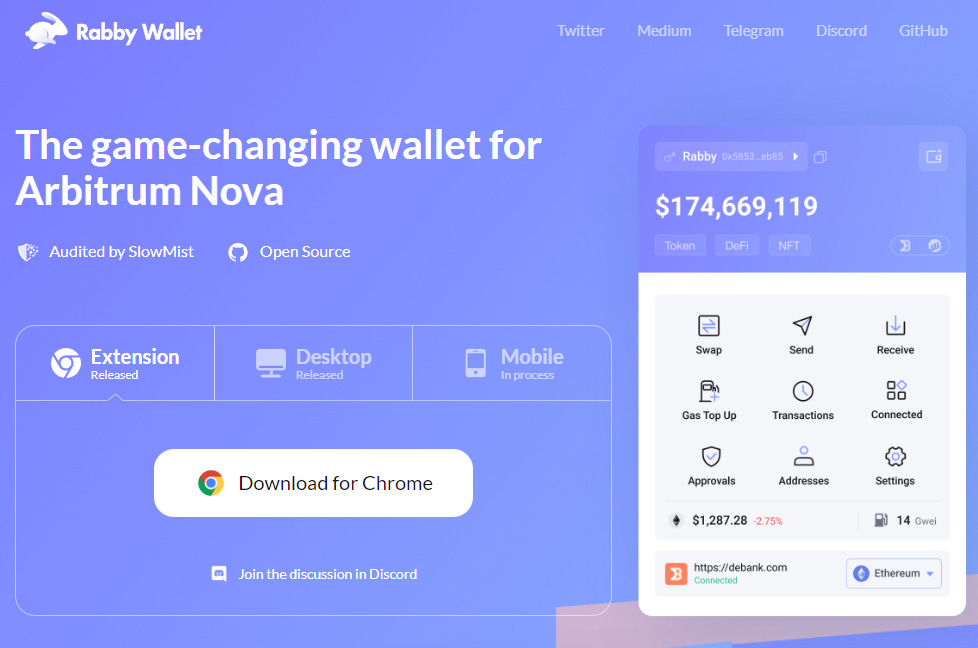
How to get started with Rabby
If you want to try it, grab the extension and spin up a burner account first. Then test basic flows: small swaps, an approval with limited allowance, and a walletconnect session with a dApp you trust. The link I used for my initial install and quick reference is rabby. Do your own testing though—I’m biased, but your workflow may differ.
I’m curious how it plays with your favorite DEX or NFT marketplace, because integration quirks vary. One weekend of patient testing will reveal the sticky edges that matter most, like approval prompts or confusing chain selectors. I’m not 100% sure everything will fit your habits immediately, but the transparency gains are immediate and tangible.
FAQ
Is Rabby suitable for beginners?
Yes, in the sense that the default UI is approachable and the prompts are plain English. That said, beginners should still start with tiny amounts while they learn. Rabby makes safer defaults, but no extension can replace cautious habits.
What about mobile and multisig?
Rabby is focused on the browser extension experience; for mobile-first flows or hardware multisig setups you may need additional tooling. That said, the extension pairs well with hardware wallets for signing, and it can play a role in a broader security posture.