A DeFi wallet can be compromised without its seed phrase ever being exposed. The quieter failure often begins with an approval: a user authorizes a token contract to spend assets, forgets about it, and later interacts with a malicious, compromised, or simply poorly designed application. The transaction may look routine because the theft happens afterward, through the permission already granted.
This is why wallet security is not only a question of protecting private keys. It is also a question of managing authority. A useful mental model is to treat every token approval as a standing instruction: who may move which asset, under what limit, and for how long? Once that distinction becomes clear, approval management stops looking like housekeeping and starts looking like access control for personal finance.
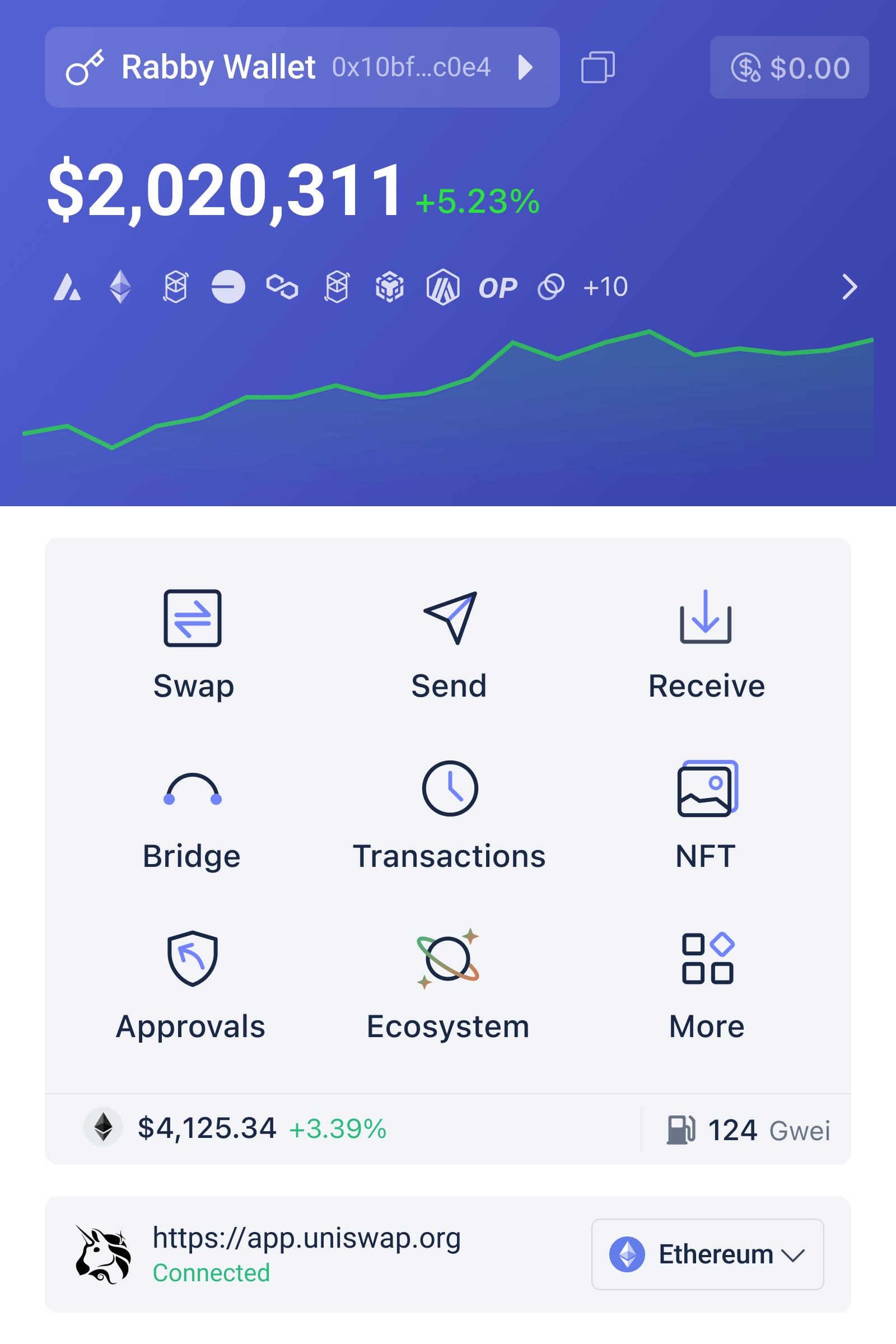
The case of the forgotten approval
Consider a US-based DeFi user who connects a browser wallet to a decentralized exchange. To swap one token for another, the user approves the exchange’s token contract to spend a specified asset. The swap succeeds. Months later, the user no longer remembers the approval, but the permission remains recorded on-chain. The exchange contract, or an address able to act through a related contract design, may still have authority to transfer the approved token up to the allowance.
Nothing about this scenario requires a stolen seed phrase. The user may have used a hardware wallet, protected the recovery phrase carefully, and approved the original transaction deliberately. The vulnerability is different: a valid permission outlived the user’s attention.
Token approvals are commonly implemented through smart-contract standards in which an owner permits a spender to transfer tokens on the owner’s behalf. This is convenient because a DeFi application can execute a later transfer without asking the user to sign every individual movement. Convenience, however, changes the risk surface. The wallet protects signing authority; approval management governs delegated spending authority.
Why transaction signing is not the whole security model
Many users inspect the final confirmation window and ask, “Am I sending funds?” That is an important question, but it is incomplete. A transaction may instead grant a contract permission to spend funds later. In practical terms, the immediate balance change can be zero while the future exposure is substantial.
The distinction resembles the difference between paying a bill once and granting a company recurring access to a bank account. The second arrangement may be legitimate, but it deserves a different level of scrutiny. DeFi interfaces often optimize for speed and composability, so an approval can appear as one step in a familiar swap, liquidity, or staking flow. The underlying authorization deserves separate attention.
Wallet simulation and transaction interpretation can help by translating contract calls into more intelligible consequences: which asset is involved, which contract is receiving permission, and whether the requested amount is limited or effectively unlimited. These tools are valuable because raw calldata is not a realistic security interface for most people. Yet interpretation is not proof of safety. A wallet may correctly explain what a transaction requests while being unable to establish that the application, contract, or economic strategy is trustworthy.
For readers preparing a rabby extension download, the practical objective should therefore be broader than installing a wallet. The objective is to adopt a workflow in which transaction simulation, contract warnings, network awareness, and approval review become part of ordinary DeFi use. The extension can improve visibility, but the user still has to decide whether the permission is justified.
Three approval strategies and their trade-offs
Unlimited approvals
Unlimited approvals are convenient. After the first authorization, repeated interactions with the same application may require fewer transactions, fewer confirmations, and potentially lower friction when network fees are material. This is one reason they remain common.
The cost is persistence. If the contract later contains a vulnerability, is upgraded in an unexpected way, or is impersonated by a deceptive interface, the remaining allowance can become relevant. Unlimited approval does not mean that theft is inevitable, and a spender cannot necessarily use every allowance in every circumstance. It does mean that the permission boundary is wider than the immediate action.
Exact or limited approvals
An exact approval attempts to authorize only the amount needed for a particular interaction. A limited allowance can reduce the maximum loss associated with a compromised or misused spender, making it a straightforward application of least-privilege security: grant the minimum authority required to complete the task.
The trade-off is operational. Users may need additional approval transactions later, and a poorly designed interface may make the distinction confusing. If a token has unusual decimals, a transaction is bundled across several contracts, or the application requires a larger allowance than expected, a user may face a choice between investigating carefully and approving more broadly. Limited permissions reduce exposure, but they do not eliminate the need to understand the contract being authorized.
Revocation after use
Revoking approvals removes or reduces previously granted spending authority. This is particularly useful for applications used once, experimental protocols, abandoned positions, and contracts that no longer have a clear role in a user’s portfolio.
Revocation is not free in every sense. It usually requires an on-chain transaction, so network fees and the correct chain matter. It also does not undo transfers that already occurred, recover assets sent to the wrong address, or repair a malicious transaction already signed. Revocation is preventive maintenance, not a universal incident-response tool.
What approval management can and cannot solve
The most important limitation is that approvals are only one category of wallet risk. A user can lose funds through a malicious signature, a deceptive permit, a fake browser extension, a compromised device, a leaked recovery phrase, a poisoned address, or a flawed smart contract even when token allowances appear clean.
Permit-style mechanisms deserve particular care. Some token systems allow a signed message to authorize spending without the familiar approval transaction appearing in the same way. Depending on the design, a signature may later be submitted on-chain by another party. The broader lesson is that “no gas transaction occurred” does not necessarily mean “no financial authority was granted.” Users should evaluate signatures according to what they authorize, not according to whether they look like ordinary transfers.
There is also a boundary around wallet warnings. A warning system can identify suspicious patterns, simulate likely outcomes, and surface contract information. It cannot guarantee that an economic strategy will succeed or that a legitimate-looking protocol will remain secure. Smart-contract security is partly technical and partly institutional: upgrade controls, administrators, dependencies, incentives, and incident response all matter.
That is why a disciplined DeFi user separates three questions. First, what does this transaction or signature authorize? Second, who controls the receiving or spending contract, and how much should that control be trusted? Third, what is the maximum plausible loss if the assumption is wrong? The third question is often neglected. Security is not merely about labeling an application safe or unsafe; it is about sizing exposure when certainty is unavailable.
A reusable approval review framework
Before approving a token, identify the spender rather than relying only on the application’s brand or website. Confirm the network, asset, and amount. Ask whether the approval is exact, limited, or effectively unlimited. If the application is experimental or will be used once, consider whether the convenience of a broad allowance is worth the additional persistence.
Afterward, review approvals as part of portfolio maintenance. Group them by chain and by economic importance. An allowance on a token with no meaningful balance may be low priority; the same allowance on a stablecoin or a liquid blue-chip asset deserves more attention. This is a more useful approach than attempting to revoke everything indiscriminately.
For larger balances, separate activity can also reduce concentration risk. A primary wallet may hold long-term assets and interact rarely, while a smaller operational wallet handles unfamiliar applications. This does not make the operational wallet safe by definition, and it introduces additional key-management duties. Its advantage is containment: a mistake in an experimental environment need not expose every asset the user owns.
One practical rule is simple: treat a new approval as a change to the wallet’s future permissions, not merely as a fee paid to begin a swap. If the requested authority is surprising, pause. Check the application domain, contract address, chain, token, and expected amount through an independent path. Urgency is itself a risk signal because it weakens the user’s ability to compare what is displayed with what was intended.
What to watch as wallets become more interpretive
Wallets are moving toward richer transaction interpretation, simulation, and permission dashboards. If these systems become more reliable, the interface may evolve from showing isolated signature prompts to showing an account’s active authority map: which contracts can spend which assets, when those permissions were granted, and how much exposure remains.
The conditional implication is significant. If users can understand delegated authority as easily as they understand current balances, approval hygiene may become a routine portfolio practice rather than a specialist task. But that outcome depends on the quality of the underlying data and on users resisting false confidence in automated labels. A clear explanation is not the same as an independent security audit.
For now, the strongest approach combines technical assistance with deliberate judgment: use a reputable wallet interface, inspect what is being authorized, limit permissions when practical, revoke stale allowances, and keep valuable assets away from unnecessary experimentation. No single control closes every path to loss. Layered controls work because different failures are caught at different points.
Frequently asked questions
Does revoking a token approval guarantee that my wallet is safe?
No. Revocation removes a particular spending permission, but it does not address compromised keys, malicious signatures, deceptive applications, device malware, or other contracts and permissions. It is one useful control within a broader security process.
Are unlimited token approvals always dangerous?
No. They are a broader form of delegated authority, not proof that a theft will occur. They can be convenient for repeated use, but they create a larger and longer-lived exposure if the spender is compromised or the user no longer intends to trust it.
Should every DeFi user use a separate wallet for new protocols?
A separate operational wallet can limit the impact of mistakes, especially when testing unfamiliar applications. It also creates more recovery and monitoring responsibilities. The right choice depends on the value at risk, the user’s ability to manage multiple wallets, and the complexity of the intended activity.
The central lesson is easy to state but easy to miss: a wallet balance shows what you own now, while approvals help determine who may affect what you own later. Secure DeFi use requires attention to both. The careful question is not only “What am I signing?” but also “What authority will remain after I stop looking at this screen?”